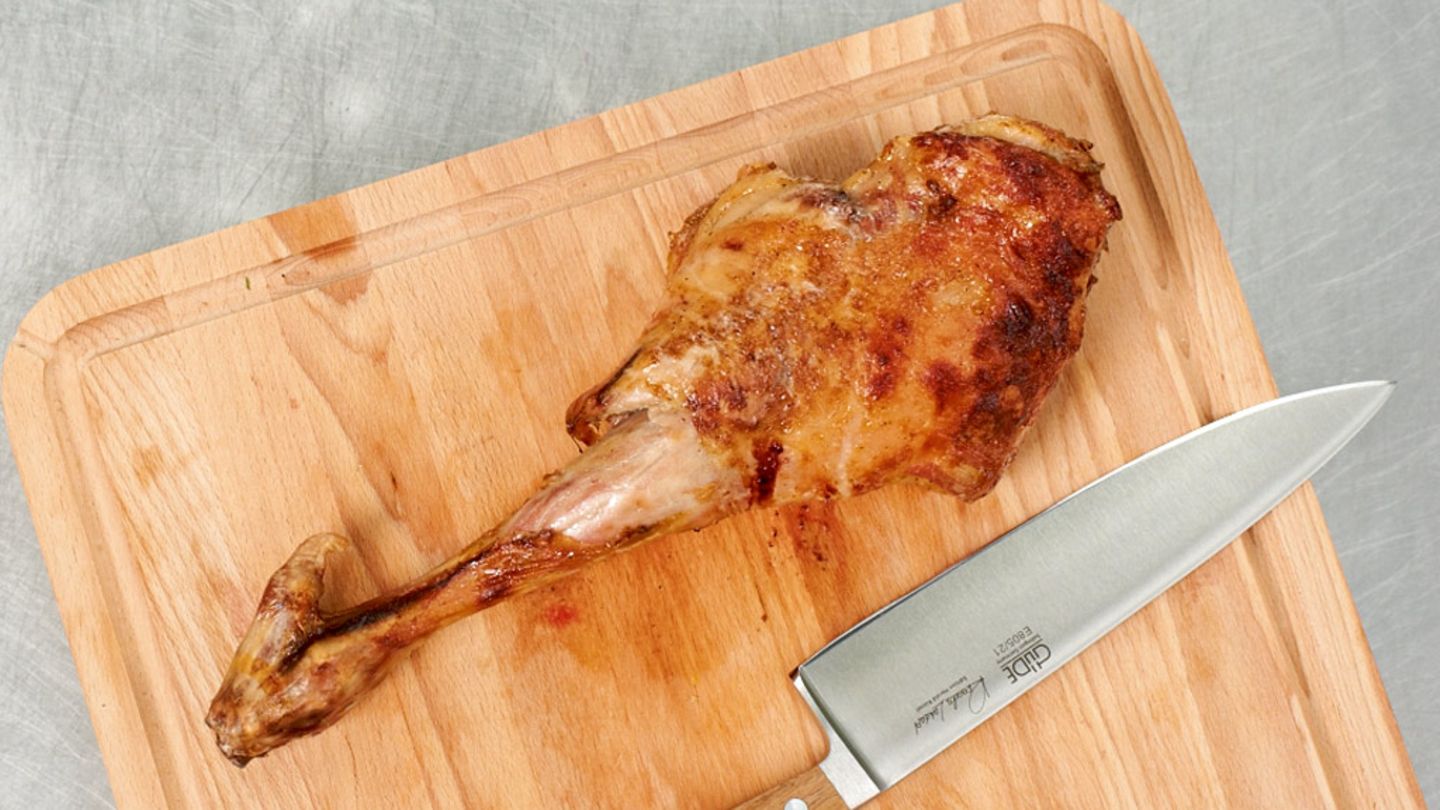
Mastering the Perfect Lammkeule: From Preparation to Plate
There are few dishes as universally cherished for festive occasions or a comforting Sunday dinner as a perfectly roasted lamb leg. Known in German as "Lammkeule," this cut promises a culinary experience that is both elegant and deeply satisfying. Whether you prefer the succulent tenderness of slow-cooked lamb or the classic appeal of a crisply roasted exterior with a juicy interior, mastering the Lammkeule is a skill that will impress and delight your guests. This comprehensive guide will walk you through the essential steps, from selecting the finest lamb to expertly carving and serving, ensuring your lamb leg recipe (Lammkeule Rezept) is a resounding success every time.The Foundation of a Flawless Lammkeule: Preparation & Ingredients
The journey to an exceptional lamb leg begins long before it hits the oven. Careful selection and preparation are crucial for unlocking the full potential of this magnificent cut.Choosing Your Lamb: Regular vs. Milk Lamb
The quality and type of lamb you choose significantly impact the final flavour and texture. Lamb generally comes from sheep that are no older than one year. Within this category, several distinctions are worth noting:
- Standard Lamb: This is the most common type, offering a robust flavour and tender texture when cooked properly. It's an excellent choice for feeding a larger group, as a single leg can easily serve six or more people.
- Specialty Lambs: Depending on their feed and environment, some lambs boast unique flavour profiles. For instance, "Salzwiesenlämmer" (salt marsh lambs) have a distinctly salty flavour, while "Heidschnucken" or French "Sisteron" lambs are known for their particularly aromatic meat.
- Milk Lamb (Milchlammkeule): Considered the epitome of tenderness, milk lamb comes from young lambs typically up to six months old, still suckling from their mothers. Their meat is exceptionally delicate, fine-grained, and very mild in flavour, making it a luxurious choice for special occasions. When preparing a milk lamb leg, its inherent tenderness means it often requires slightly less cooking time and benefits from gentle handling.
Regardless of your choice, always ensure the meat is brought to room temperature for a few hours before cooking. Introducing cold meat to a hot pan or oven can lower the cooking temperature, potentially causing the meat to seize up and lose precious juices, resulting in a drier roast.
Essential Seasoning and Aromatics
A great Lammkeule Rezept relies on simple yet effective seasoning to enhance the lamb's natural flavour. The classic combination includes:
- Salt and Pepper: Crucial for seasoning the meat thoroughly, both inside and out. Use freshly ground pepper for the best aroma.
- Herbs: Fresh rosemary and thyme are quintessential partners for lamb. Their earthy, piney notes complement the meat beautifully. You can create a fragrant paste by finely chopping the leaves and needles, then mixing them with pressed garlic and a good quality olive oil. This paste is then vigorously rubbed into the lamb, allowing the flavours to deeply penetrate the meat.
- Garlic: Whole cloves, lightly crushed with their skins on, can be added directly to the roasting pan, infusing the cooking juices with their sweet, pungent aroma without overpowering the lamb. Alternatively, pressed garlic can be incorporated into your herb rub.
Bone-In vs. Boneless & The Knuckle Bone
Most Lammkeule recipes call for a bone-in leg, and for good reason. The bone imparts additional flavour and helps the meat cook more evenly, contributing to a more succulent final product. However, carving a bone-in leg can sometimes be challenging. This is where the tip about removing the "Schlussknochen" (knuckle bone) comes in handy, especially for a delicate Milchlammkeule.
To remove the knuckle bone:
- Place the lamb leg on a cutting board, bone-side up.
- Using a sharp, flexible boning knife, carefully trace along the bone, cutting around it to free the meat.
- Once loosened, gently pull the bone out. This makes carving significantly easier after cooking, allowing you to slice clean portions without obstruction.
Two Paths to Perfection: Classic Roasting vs. Slow-Cooking
While the goal is always tender, flavourful lamb, there are distinct methods to achieve it. Both the classic oven-baked lamb leg recipe and the low-and-slow approach yield incredible results, each with its unique charm.
The Classic Oven-Roasted Lammkeule Rezept
This method focuses on creating a beautifully browned, aromatic exterior while maintaining a moist and tender interior. It's a fantastic option for a straightforward yet impressive main course.
- Sear for Flavour: Begin by searing the seasoned lamb leg in a heavy-bottomed roasting pan or Dutch oven with olive oil over medium-high heat. Brown it thoroughly on all sides. This crucial step develops rich, caramelized flavours that form the base of your roast.
- Initial Roast: Deglaze the pan with a splash of white wine and lamb stock. Then, transfer the lamb to a preheated oven set to 180°C (350°F) and roast for about 1 hour.
- Add Your Sides: After the initial hour, add your chosen vegetables directly to the roasting pan around the lamb. Classic additions include peeled and quartered potatoes and onions. Mix them with the accumulating pan juices, season with salt and pepper, and add the remaining fresh thyme, white wine, and lamb stock.
- Continue Roasting & Basting: Return the pan to the oven and roast for another hour. About 30 minutes into this second phase, add medium-sized tomatoes (scored with a cross on top) to the pan. Regularly baste the lamb and vegetables with the pan juices to keep everything moist and flavourful.
- Rest & Serve: Once cooked to your desired doneness (internal temperature of 60-63°C for medium-rare), remove the lamb from the oven, wrap it loosely in aluminum foil, and let it rest for at least 10 minutes. This allows the juices to redistribute, resulting in a more tender and succulent roast. Serve directly from the roasting pan with the accompanying vegetables and pan juices. For a deeper dive into this classic method, explore our Classic Oven-Baked Lamb Leg: Juicy & Tender for Festive Meals.
The Art of the 80-Degree Slow-Cooked Lammkeule
For unparalleled tenderness that practically falls off the bone, the slow-cooking method at a very low temperature (80°C or 175°F) is a game-changer. This technique requires patience but rewards you with incredibly succulent meat.
- Gentle Sear & Aromatics: Wash and thoroughly pat dry the lamb leg, then rub it generously with freshly ground pepper. Sear it gently in olive oil in a roasting pan until lightly browned on all sides. This initial sear isn't about deep caramelization but about building a flavour base.
- Assemble & Season: Lightly crush unpeeled garlic cloves and coarsely chop root vegetables (like carrots, celery, parsnips) and onions. Add these along with fresh herbs (rosemary, thyme) to the roasting pan with the lamb. Season everything generously with salt.
- The Slow Roast: Transfer the roasting pan to a preheated oven at a mere 80°C (175°F). Cook uncovered for approximately 4-5 hours. Flip the lamb once after about 2 hours to ensure even cooking. The low temperature allows the connective tissues to slowly break down without drying out the meat, resulting in extraordinary tenderness.
- Rest for Perfection: Once cooked, remove the lamb from the oven, wrap it tightly in aluminum foil, and place it back on a rack in the still-warm oven for at least 10-15 minutes (or even longer, up to an hour, if you need to hold it). This crucial resting period ensures maximum juiciness.
- Crafting the Sauce: While the lamb rests, transfer the roasting pan to the stovetop. Deglaze the pan with a generous pour of red wine and lamb fond (stock). Bring to a simmer and reduce the liquid by about one-third, scraping up all the flavorful bits from the bottom of the pan. Strain the sauce through a fine-mesh sieve to remove any solids, then gradually whisk in small pieces of cold butter until the sauce is glossy and emulsified. This creates a rich, velvety accompaniment. For a deeper dive into this slow-cooking marvel, check out our guide on how to Achieve Perfect Tenderness: The 80-Degree Slow-Cooked Lamb Leg.
Elevating Your Lamb Leg: Sides & Serving Suggestions
A masterpiece like the Lammkeule deserves accompaniments that complement its rich flavour without overpowering it. Seasonal vegetables are always a superb choice, offering variety and freshness to your lamb leg recipe.
- Spring/Summer: Fresh green beans, tender asparagus, young carrots, or crisp spring onions make light and vibrant pairings.
- Autumn: Earthy parsnips, sweet roasted pumpkin, or sautéed mushrooms bring a comforting depth.
- Winter: Heartier options like braised red cabbage, root vegetable purees, or even creamy polenta provide warmth and substance.
Beyond vegetables, consider other elements:
- Potatoes: Whether roasted alongside the lamb, mashed with garlic and herbs, or served as a gratin, potatoes are a natural companion.
- Sauce: The pan sauce, made either by reducing the deglazed juices from the classic roast or the rich, buttery reduction from the slow-cooked method, is absolutely essential. It brings all the flavours together and adds moisture to every bite.
- Carving & Presentation: For a bone-in leg, slice the meat parallel to the bone. If you've removed the knuckle bone, carving becomes significantly easier. Arrange the slices beautifully on a platter, surrounded by the colourful vegetables, and generously spoon over the exquisite sauce.
- Creative Variations: For those looking to experiment, a Lammkeule can also be stuffed with a savory mixture of breadcrumbs, herbs, nuts, and dried fruits for an added layer of flavour and texture.
Conclusion
The Lammkeule, or lamb leg, is more than just a cut of meat; it's an opportunity to create a memorable culinary experience. Whether you opt for the crisp exterior and juicy interior of a classic oven roast or the unparalleled tenderness of a slow-cooked masterpiece, the principles remain the same: quality ingredients, thoughtful preparation, and a touch of patience. By mastering these techniques, from choosing your lamb to expertly carving and pairing with seasonal sides, you'll be able to confidently prepare a truly outstanding lamb leg recipe that will become a cherished tradition at your table. Embrace the process, savour the aromas, and enjoy the delicious rewards of a perfectly cooked Lammkeule.