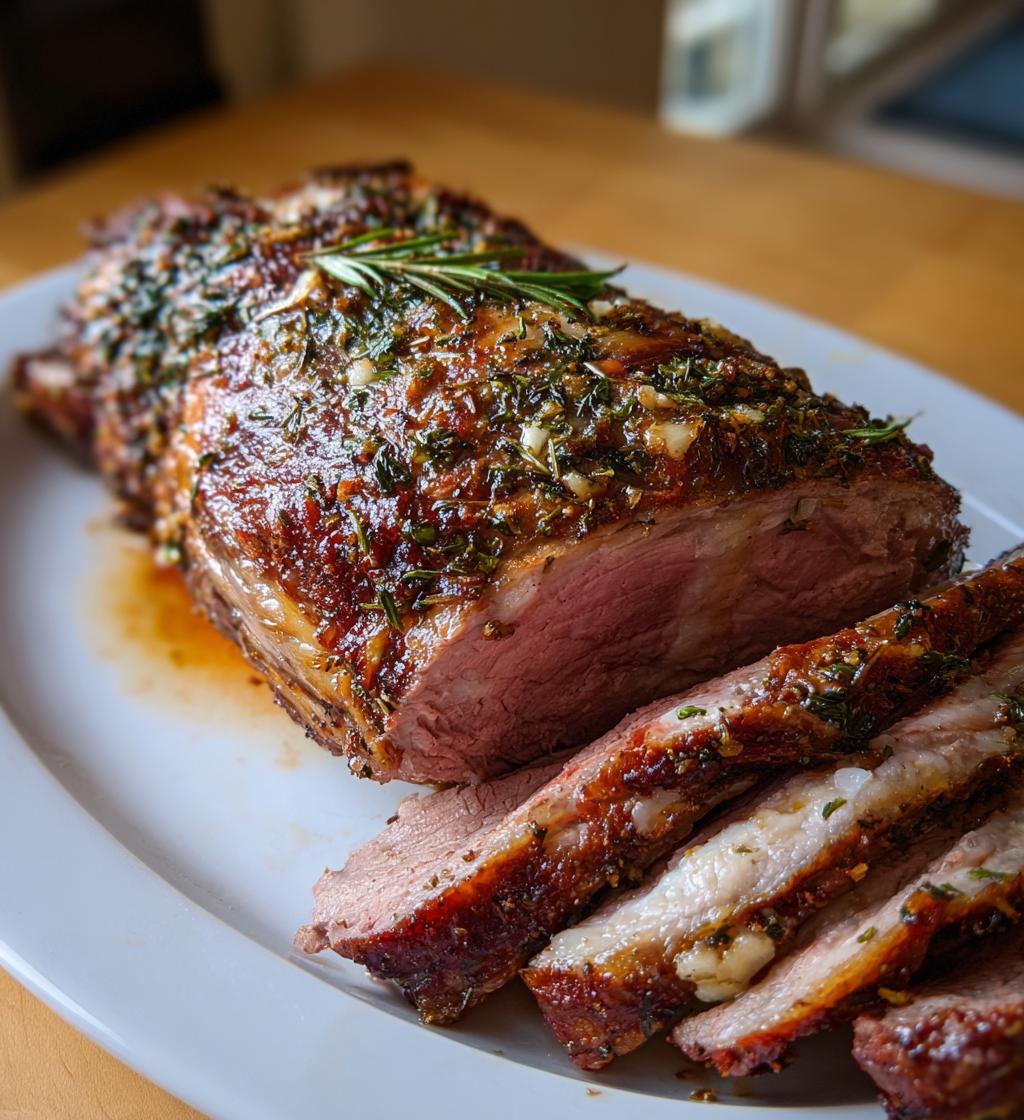
The Ultimate Guide to Classic Oven-Baked Lamb Leg: Juicy & Tender for Festive Meals
There's something truly special about a beautifully roasted lamb leg gracing your dinner table. It’s more than just a meal; it's a centerpiece, a symbol of celebration, and a dish that promises rich flavors and unforgettable moments. Whether it's the highlight of your Easter feast, a showstopper for Christmas, or the star of an important family gathering, a perfectly cooked lamb leg is always a crowd-pleaser. This comprehensive guide will walk you through crafting an exquisite lamb leg, ensuring every slice is incredibly juicy, tender, and bursting with aromatic goodness. Get ready to master your next Lammkeule Rezept and impress your guests!The Allure of a Classic Oven-Baked Lamb Leg
Few dishes evoke the same sense of occasion as a whole lamb leg emerging from the oven, its skin golden-brown and its aroma filling the kitchen. The inherent richness of lamb meat, coupled with the right blend of herbs and slow, gentle cooking, transforms a simple cut into a culinary masterpiece. It's a dish that looks impressive but, with the right techniques, is surprisingly straightforward to achieve, making it a rewarding project for any home chef. We’ll delve into two distinct, yet equally delicious, approaches to preparing this festive staple, offering flexibility based on your desired texture and time commitment.Crafting Your Perfect Lammkeule: Two Paths to Tenderness
Achieving that coveted juicy and tender interior with a flavorful crust can be approached in different ways. Both methods highlighted below result in a magnificent roast, but they cater to slightly different preferences in texture and cooking style.Method 1: The Succulent 80-Degree Slow Roast for Unparalleled Tenderness
Imagine lamb so tender it practically melts in your mouth, infused with deep savory flavors. This low-and-slow approach is a secret weapon for achieving just that. By cooking the lamb at a gentle 80°C (around 176°F) for an extended period, you allow the connective tissues to slowly break down without drying out the meat, resulting in unparalleled succulence. Here’s how this exceptional Lammkeule Rezept unfolds:- Preparation is Key: Begin by thoroughly washing your lamb leg and patting it completely dry. This is crucial for achieving a good sear later. Season generously with freshly ground black pepper.
- The Flavor Foundation (Searing): In a robust roasting pan, heat a generous amount of olive oil over medium-high heat. Carefully place the lamb leg in the hot oil and sear it on all sides until beautifully browned. This step develops a rich crust and locks in moisture.
- Aromatic Base: While the lamb is searing or immediately after, add roughly chopped root vegetables (carrots, celery, parsnips), onions, and whole garlic cloves (lightly crushed, skin on) to the pan. Toss in sprigs of fresh rosemary and thyme. Season everything generously with salt. These aromatics will slowly release their flavors, enriching both the lamb and the final pan sauce.
- The Slow Cook: Transfer the roasting pan, uncovered, to a preheated oven set to a mere 80°C (176°F). This low temperature is key. Allow the lamb to cook for approximately 4 to 5 hours. For even cooking, turn the lamb leg over once after about 2 hours.
- Resting for Perfection: Once cooked, remove the lamb leg from the oven. Wrap it loosely in aluminum foil and let it rest on the oven rack in the still-warm (but turned off) oven for at least 15-20 minutes, or even longer. This resting period allows the juices to redistribute throughout the meat, ensuring maximum tenderness and flavor.
- The Unforgettable Pan Sauce: While the lamb rests, place the roasting pan on the stovetop over medium heat. Deglaze the pan with a good splash of red wine and quality lamb fond (or beef broth). Bring to a simmer, scraping up all the delicious browned bits from the bottom. Reduce the liquid by about one-third. Strain the sauce through a fine-mesh sieve to remove solids, then return it to the pan. Gradually whisk in small cubes of cold butter, one at a time, until the sauce is glossy and slightly thickened. Season to taste.
This method guarantees a lamb leg that is unbelievably tender and moist, making it ideal for those who prioritize a melt-in-your-mouth experience. For a deep dive into this particular technique, explore our dedicated guide: Achieve Perfect Tenderness: The 80-Degree Slow-Cooked Lamb Leg.
Method 2: The Aromatic 180-Degree Roast with Integrated Vegetables
For a lamb leg with a slightly crisper exterior, a juicier interior, and the convenience of cooking your side dishes right in the same pan, the traditional 180°C (350°F) roast is an excellent choice. This method is often favored for its simplicity and the delightful medley of flavors it creates. Here’s how to prepare this classic Lammkeule Rezept:- Herb Paste Power: In a small bowl, combine finely chopped fresh rosemary and thyme leaves with pressed garlic and a few tablespoons of olive oil. This fragrant paste will infuse deep flavors into the lamb.
- Season and Massage: Pat your lamb leg dry. Season it generously all over with salt and freshly ground black pepper, then rub the herb paste vigorously into the meat, ensuring it’s well coated.
- Searing for Color and Flavor: Heat the remaining olive oil in a large roasting pan over medium-high heat. Sear the lamb leg on all sides until beautifully browned. This crucial step develops flavor and color.
- Deglaze and Start Roasting: Deglaze the pan with half of the white wine and lamb fond. Transfer the pan to a preheated oven set to 180°C (350°F) and roast for 1 hour on the second rack from the bottom. (Note: Convection/Umluft may not be suitable for this recipe, as it can dry out the meat).
- Introduce the Vegetables: While the lamb is roasting, peel and quarter potatoes and white onions. After the initial hour of roasting, carefully remove the pan from the oven. Arrange the prepared potatoes and onions around the lamb, tossing them in the pan juices. Season the vegetables with salt and pepper. Add the remaining fresh thyme sprigs, white wine, and lamb fond.
- Continue Roasting & Basting: Return the pan to the oven and roast for another hour. About 30 minutes before the end of this second hour, score the tops of some medium-sized tomatoes crosswise and add them to the roasting pan. Throughout this stage, baste the lamb and vegetables occasionally with the pan juices to keep everything moist and flavorful.
- Final Rest: Once cooked to your desired doneness, remove the lamb and vegetables from the oven. Transfer the lamb to a cutting board, cover it loosely with aluminum foil, and let it rest for at least 10 minutes. This resting period is vital for the meat to retain its juices.
Serve the beautifully carved lamb slices alongside the aromatic roasted vegetables directly from the pan, with all their delicious accumulated juices.
Essential Preparations and Expert Tips for Your Lammkeule
No matter which Lammkeule Rezept you choose, a few foundational steps and insights can elevate your cooking:- Choosing Your Lamb: The quality of your lamb significantly impacts the final dish.
- Young Lamb (Lammfleisch): This comes from sheep less than a year old and is generally tender.
- Milk Lamb (Milchlammkeule): The most tender option, sourced from lambs up to six months old that are still suckling.
- Flavor Profiles: Explore regional varieties! Salt marsh lambs (Salzwiesenlämmer) can have a naturally saltier taste, while breeds like Heidschnucken or Sisteron lambs from the French Provence offer a more distinctly aromatic and gamey flavor.
- Bone-In vs. Boneless: Bone-in lamb leg typically yields more flavor and moisture. If you prefer easier carving, you can ask your butcher to remove the hock bone (Schlussknochen).
- Bring to Room Temperature: Always take your lamb leg out of the refrigerator a few hours before cooking. A cold lamb leg will lower the temperature of your roasting pan, potentially causing the meat to seize up and lose precious juices.
- Pat Dry, Always: Regardless of the recipe, thoroughly patting the lamb dry with paper towels is non-negotiable. This aids in achieving a beautiful, crisp sear and crust.
- Resting is Non-Negotiable: Whether for 10 minutes or 20, letting the meat rest after cooking is paramount. During cooking, the muscle fibers contract and push juices to the center. Resting allows these juices to redistribute throughout the meat, resulting in a significantly juicier and more tender final product.
Whether you're working with a delicate Milchlammkeule or need advice on precise bone removal for effortless carving, find more insights in our guide: Mastering Lamb Leg: Tips for Milk Lamb, Bone Removal & Sides.
The Perfect Accompaniments: Seasonal Sides and Rich Sauces
A magnificent lamb leg deserves equally splendid accompaniments.- The Pan Sauce: The pan sauce, particularly from the low-and-slow method, is a crowning glory. Its richness, depth, and glossy finish elevate every bite of lamb. Don't skip the butter at the end; it adds incredible silkiness and flavor.
- Roasted Vegetables: For the 180-degree roast, the vegetables cooked alongside the lamb absorb all the savory juices, becoming infused with incredible flavor. Potatoes, onions, and tomatoes are classics, but don't be afraid to experiment.
- Seasonal Side Dish Inspiration:
- Spring/Summer: Light and fresh options like blanched green beans, sautéed spring onions, asparagus, or a vibrant minted pea purée.
- Autumn: Earthy and comforting choices such as roasted parsnips, chunks of sweet pumpkin or butternut squash, or a medley of root vegetables.
- Winter: Heartier sides like braised red cabbage, creamy polenta, or even a simple potato gratin.