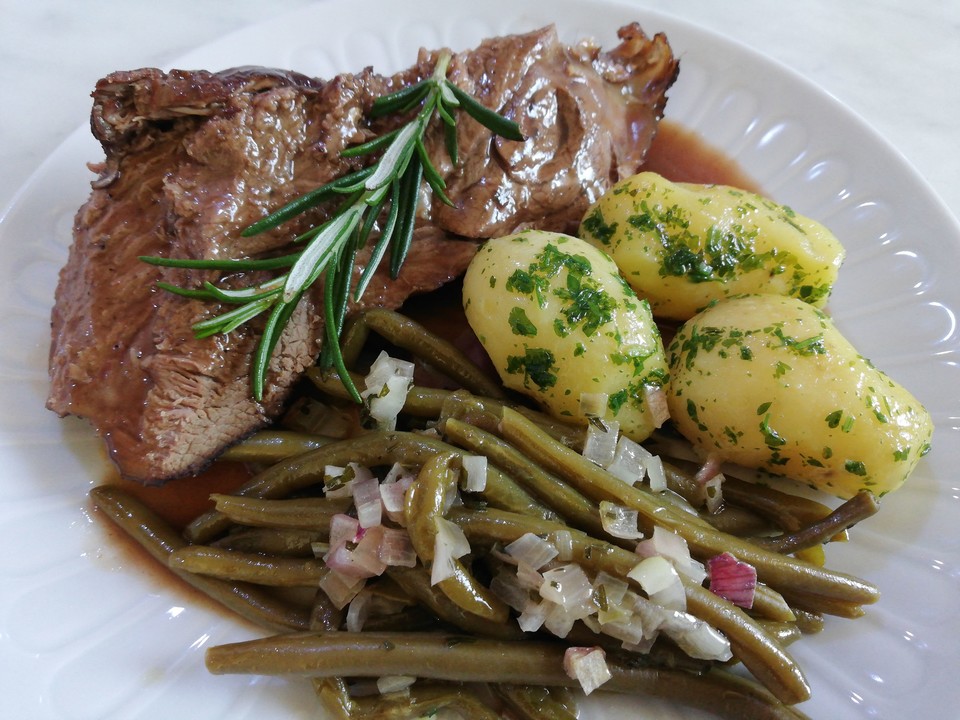
Achieve Perfect Tenderness: The 80-Degree Slow-Cooked Lamb Leg
There are few culinary experiences as satisfying as a perfectly cooked lamb leg – succulent, deeply flavorful, and so tender it practically melts in your mouth. For generations, the lamb leg has graced festive tables, marking special occasions and bringing families together. While various methods exist, one technique stands out for its unparalleled ability to deliver an exquisite texture: the 80-degree slow-cooked lamb leg. This method, often considered a well-kept secret among gourmet chefs, leverages low heat and extended cooking times to transform a humble cut into a masterpiece of tenderness. If you’ve been searching for the ultimate
Lammkeule Rezept that promises a show-stopping main course with minimal fuss, you've found it.
The Magic of 80 Degrees: Why Slow Cooking Reigns Supreme for Lamb Leg
The concept of cooking a lamb leg at a mere 80 degrees Celsius (approximately 175 degrees Fahrenheit) might seem counter-intuitive to those accustomed to high-heat roasting. However, this low and slow approach is pure culinary genius, particularly for larger, tougher cuts like a lamb leg. The magic lies in the gentle breakdown of collagen, the connective tissue that makes meat tough when cooked too quickly.
At higher temperatures, collagen contracts rapidly, squeezing out moisture and leaving the meat dry and stringy. But at 80 degrees Celsius, the heat is just enough to slowly and gradually dissolve this collagen into rich, gelatinous goodness. This process happens over several hours, allowing the muscle fibers to relax, absorb the rendered fat, and retain virtually all their natural juices. The result? A lamb leg that is incredibly moist, uniformly cooked from edge to edge, and fork-tender without any dryness. Furthermore, this method provides a much wider window of perfection; it's far more forgiving than high-heat roasting, making it an ideal choice for entertaining. You can essentially "set it and forget it" for hours, freeing you up to enjoy your guests or prepare accompanying dishes.
Your Ultimate 80-Degree Lammkeule Rezept: Step-by-Step Guide
Preparing a slow-cooked lamb leg at 80 degrees is simpler than you might imagine, yet the results are profoundly rewarding. Follow this detailed
Lammkeule Rezept for a lamb leg that will be the highlight of any meal.
Ingredients:
* 1 bone-in lamb leg (approx. 1.5 - 2 kg)
* 2-3 tbsp olive oil
* Freshly ground black pepper
* 1 tbsp sea salt (or to taste)
* 4-6 cloves garlic, unpeeled and lightly crushed
* 100g mixed root vegetables (e.g., carrots, celery, leek), roughly chopped
* 1 large onion, roughly chopped
* 2-3 sprigs fresh rosemary
* 3-4 sprigs fresh thyme
* 200 ml dry red wine
* 200 ml quality lamb fond or beef stock
* 2-3 tbsp cold butter, cut into small pieces
Equipment:
* Large oven-safe roasting pan
* Aluminum foil
* Fine-mesh sieve
* Meat thermometer (optional, but highly recommended)
Preparation Steps:
1.
Prepare the Lamb: Carefully wash the lamb leg under cold water and pat it thoroughly dry with paper towels. Drying is crucial for a good sear. Generously rub the lamb leg all over with freshly ground black pepper. You can also add salt at this stage, or wait until after searing to prevent drawing out too much moisture during the initial phase.
2.
Sear for Flavor: Heat the olive oil in a large, heavy-bottomed roasting pan over high heat on your stovetop. Once shimmering, carefully place the lamb leg in the pan and sear it vigorously on all sides until deep golden brown. This step, known as the Maillard reaction, is essential for developing rich, complex flavors and a beautiful crust that will contribute to the final taste of your dish.
3.
Add Aromatics: Remove the lamb leg from the pan momentarily. Add the lightly crushed garlic cloves (no need to peel them, their flavor will infuse beautifully), roughly chopped root vegetables, onions, rosemary, and thyme to the hot pan. Sauté for 2-3 minutes until slightly softened and fragrant. Return the seared lamb leg to the roasting pan, nestled amongst the vegetables and herbs. Season well with salt at this point.
4.
Preheat and Position: Preheat your oven to 80°C (175°F). Place an oven rack on the second-lowest position in your oven.
5.
Slow Roasting: Place the roasting pan with the lamb and aromatics into the preheated oven. Let it cook uncovered for approximately 4-5 hours. The exact time will depend on the size and shape of your lamb leg and your oven's calibration.
6.
Gentle Turn: After about 2 to 2.5 hours, carefully turn the lamb leg over in the pan to ensure even cooking and browning.
7.
Resting is Key: Once the cooking time is complete, or when an internal meat thermometer inserted into the thickest part of the leg (avoiding the bone) reads your desired doneness (around 58-62°C / 136-144°F for medium-rare to medium), remove the lamb leg from the oven. Loosely wrap it tightly in aluminum foil and place it back into the *still warm, but switched-off* oven, or simply in a warm spot on your countertop. Allow it to rest for at least 15-20 minutes, or even up to 30 minutes. This resting period allows the juices to redistribute throughout the meat, resulting in an even more tender and succulent final product.
8.
Craft the Perfect Sauce: While the lamb rests, place the roasting pan (with the vegetables and pan drippings) back on the stovetop over medium-high heat. Pour in the red wine and lamb fond. Bring to a simmer, scraping up any browned bits from the bottom of the pan with a wooden spoon – these are packed with flavor! Let the sauce reduce by about one-third to one-half, concentrating the flavors.
9.
Finish the Sauce: Carefully strain the reduced sauce through a fine-mesh sieve into a clean saucepan, pressing down on the vegetables to extract all their liquid. Discard the solids. Bring the strained sauce back to a gentle simmer. Remove from heat and, one piece at a time, whisk in the cold butter. The butter will emulsify into the sauce, making it glossy, rich, and incredibly smooth. Taste and adjust seasoning with salt and pepper as needed.
10.
Carve and Serve: Carefully unwrap the rested lamb leg. Using a sharp carving knife, slice the lamb lengthwise along the bone, cutting against the grain for maximum tenderness. Serve the beautiful slices immediately, generously drizzled with your homemade sauce.
Elevating Your Lamb Experience: Expert Tips & Accompaniments
Mastering your
Lammkeule Rezept goes beyond just the cooking process; it involves understanding the nuances of the meat and pairing it with the perfect accompaniments.
Choosing Your Lamb:
"Lammfleisch" typically refers to lamb from sheep that are no older than one year. For a truly exquisite experience, consider milk lamb (Milchlämmer), which are young lambs up to six months old that are still suckling. Their meat is exceptionally tender and mild in flavor. The taste of lamb can also vary significantly based on its diet and environment; for instance, salt marsh lambs are known for their distinct salty-savory notes, while French Sisteron lambs offer a richer, more herbaceous profile. Regardless of your choice, always bring your lamb leg to room temperature for a few hours before cooking. This ensures even cooking and prevents the initial drop in fat temperature that can cause the meat to lose precious juices.
To Bone or Not to Bone:
While our 80-degree recipe uses a bone-in lamb leg for maximum flavor and moisture retention, some prefer to remove the hock bone (Schlussknochen) before cooking for easier carving. This is a technique often employed for milk lamb legs. For beginners, it's often best to leave the bone in, especially for this slow-cook method, as the bone contributes significantly to the depth of flavor in both the meat and the resulting sauce. If you're looking to explore more about bone removal or selecting specific lamb types, our article on
Mastering Lamb Leg: Tips for Milk Lamb, Bone Removal & Sides offers valuable insights.
Perfect Pairings:
The beauty of slow-cooked lamb lies in its versatility. Classic pairings include roasted potatoes (crispy on the outside, fluffy within), creamy mashed potatoes, or even a sophisticated potato gratin. Seasonal vegetables are always a winner: consider glazed carrots and asparagus in spring, green beans or ratatouille in summer, or roasted root vegetables like parsnips and pumpkin in autumn and winter. For grain lovers, wild rice or creamy polenta make excellent companions.
Wine pairings are equally important. A robust and full-bodied red wine complements lamb beautifully. Think Cabernet Sauvignon, Merlot, Syrah (Shiraz), or a hearty Rhône blend.
For those who enjoy a more traditional, higher-temperature approach to achieve a crispy exterior and juicy interior, our guide to
Classic Oven-Baked Lamb Leg: Juicy & Tender for Festive Meals offers a fantastic alternative and additional tips for festive preparations.
Conclusion
The 80-degree slow-cooked lamb leg is more than just a recipe; it's a testament to the power of patient cooking and a pathway to culinary perfection. By embracing this low and slow method, you unlock an unparalleled level of tenderness and flavor that will elevate any dining experience. This
Lammkeule Rezept promises a stress-free cooking process and a result that will impress even the most discerning palates. So, next time a special occasion calls for something truly extraordinary, don't hesitate to embark on this delicious journey. Your perfectly tender, richly flavored lamb leg awaits!